Walk right into a living room where a Direct Support Professional gets on shift and you may see someone mentor dish preparation, not microwaving oven supper. You may see a budgeting session, a social tale rehearsal before a work interview, or a quiet check-in after a hard day. None of this is babysitting. It is skilled, relational job rooted in autonomy, safety, and dignity. The misconception lingers because much of the very best assistance is subtle. It resembles everyday life, that makes it easy to take too lightly. For those people who have functioned inside Disability Support Services, the surprise intricacy is the point. We construct scaffolding that lets individuals do more by themselves, even if it means we fade right into the background when it's working.
I discovered this early when a colleague said, half-joking, that a great day on change looks boring. It means the individual drove their routine, chose their meals, took care of medications without a scare, and got where they intended to go. The specialist ability is not in providing for individuals, it remains in choosing when not to, and in recognizing when to step forward. That judgment is discovered, refined, and frequently unnoticeable to outsiders.
The job is not babysitting, it is a practice
Babysitting suggests passively enjoying someone until the real decision-maker returns. A Direct Support Professional holds shared responsibility with the individual and their circle for every little thing that forms every day life. That duty covers training on executive function, medication systems, community navigation, and crisis avoidance. The work draws on expertises you can call and gauge. A lot of states call for training in person-centered planning, civil liberties and duties, infection control, documents, and risk administration. Many firms include components in trauma-informed care, favorable actions assistance, and supported decision-making. We run drills on choking action and fire safety, and afterwards exercise soft abilities like stopping briefly throughout a conflict and offering a regulated tone. You will certainly not locate those in a babysitter manual.
The largest difference is the locus of control. Babysitting facilities the viewer. Special needs support focuses the person offered. That change isn't a motto, it is an everyday technique. If I connect your shoes since I am rushed, I take your freedom. If I stand back with your consent and instructor you via the shoelaces, you own the moment. Gradually those options gather right into real modification. I have actually enjoyed a person go from needing full verbal prompts to individually loading their job bag by setting out an aesthetic checklist and slowly eliminating steps. That is patient, willful practice.
Why the false impression sticks
Stereotypes hardly ever withstand without a grain of something misunderstood. Three patterns feed the babysitting myth.
Families sometimes hear us claim we will certainly cover "neighborhood accessibility" or "everyday living abilities" and think of errands and socializing. Words are so average they camouflage the skill. Many DSPs additionally operate in community settings that look casual, like cafe, food store, buses, and parks. The even more our services appear like routine life, the less complicated it is to misread what is happening.
Staff turn over doesn't assist. When an individual offered fulfills three brand-new faces in 6 months, depend on is thin. At that point, shifts can slide right into task-doing to survive the day. It can appear like enjoying and waiting instead of training and partnering. The workforce crisis is actual, and it increases the limit for consistent, noticeable craft.
Finally, goals can be refined. Helping somebody decrease self-injury by 60 percent is a victory, however on a great day it looks like absolutely nothing took place. Avoided situations never make a sound. The silence reviews as "very easy." Those of us who have charted habits and causes, after that reshaped a routine to develop calm, recognize quiet is earned.
What knowledgeable support in fact looks like
A solitary early morning routine can demand loads of micro-decisions. Do I prompt now or offer 30 even more secs? Do I enter the shower room to guarantee water temperature safety or call out from the entrance? Do I model initially, then ask for a turn, or do I let you try chilly? I have stood in cooking areas and counted to thirty in my head, withstanding need to take over as somebody wrestled the cover off a container. Thirty secs feels like a very long time when you care and the bus is coming. Judgment is the craft.
In many homes we utilize assistive tech: tablet dispensers with secured timers, induction cooktops to minimize shed danger, wise audio speakers programmed with aesthetic schedules. Tech eliminates barriers, however it does not replace assistance. Somebody still establishes it up, trains the person, monitors performance, and adapts when the strategy rams reality. A tablet dispenser is only useful if the person wants it and feels respected while finding out to make use of it.
Positive behavior support is an additional place the career shows. The very best plans read like guidebooks to a person's nerve system. They chart forerunners, like adjusting sleeves, tightening up stance, checking the area. They recommend proactive techniques, like altering lighting, using a movement break, or readjusting the order of tasks. None of this is vindictive. It is collaborative nerve system regulation in context. When done well, authorities are never ever called. When done inadequately, everyone strolls on eggshells and the person's globe shrinks.
Documentation, done right, belongs to the intervention. We chart information that matters, not since auditors ask, however since patterns conceal in weeks of notes. A personnel team realized someone's rise in aggression correlated with a change in laundry detergent at a day program. The fragrance was the trigger. As soon as the team supported for fragrance-free, the spikes flattened. That situation took mindful note-taking and a nonjudgmental hypothesis conference with the individual who lived it. Babysitting does not call for fad analysis.
Autonomy is not all-or-nothing
People with impairments face a wild mix of expectations, sometimes infantilized and various other times abandoned to "freedom" without ample assistance. Good solutions deny both extremes. We talk about self-respect of risk, which means people have the right to make errors and find out, but we additionally have obligations around health and safety. The art hinges on adjusting danger boundaries with the person.
Take finance. I have actually supported individuals who can manage cash for everyday acquisitions but like personnel to confirm online orders to prevent frauds. Others thrive with a preloaded card and envelope system. In one instance, a male wanted more control of his spending plan yet consistently spend too much the week's food cash on snacks in two days. We built a strategy he called and possessed: $15 in money daily, plus a Friday review where he selected whether to financial institution remaining funds for a larger Sunday dinner. He found out to make compromises, he did not have option drawn from him. Over 6 months, overdraft accounts went down to zero.
Medication supports program comparable nuance. Some people self-administer with minimal tips. Others like team to observe for safety and security. Sustained decision-making ways walking through choices, negative effects, and timing with the person, using simple language and visuals, not just offering a tablet cup. When a person demands to alter a medicine routine, our role includes helping them prepare to speak with their prescriber and recording their experience in between appointments. That is partnership.
The function of culture and identity
Disability is one aspect of identity. Culture, confidence, race, sexuality, and language form what assistance really feels secure and reliable. A female I worked with observed Ramadan and intended to fast, yet her morning drugs were connected to food. The team met with her and her physician and found a timetable that recognized her practice and kept her secure. One more person felt surveilled when male team waited outdoors public washrooms. We trained a mixed-gender team and revised safety and security procedures so she might establish the plan in position that didn't permit family washrooms. These are not unique favors, they are best method, tuned to the person's life.
There is likewise the society of handicap civil liberties. Straight Assistance Specialists usually sit at the crossway between systems and individuals they offer. We are translators. We keep an eye on for rights restrictions hidden in plan language. We see when a person is being excluded from area activities on word-of-mouth grounds and we press back. Advocacy is not extra, it is integrated in. When a health club insisted on a "caretaker waiver" that removed a man of obligation coverage because he had a staff member existing, our group recorded the discrimination and worked with a regional disability law center. The waiver changed.
What top quality resembles past compliance
Compliance is a flooring, not a ceiling. You can fulfill every paperwork need and still supply drab, paternalistic support. Quality feels various. It appears like regimens that bend when the person desires something new. It displays in how arguments end, not simply how they begin. It appears in connections that last beyond a solitary staff turn over, since the system around the individual is resilient.
I seek certain signals when examining high quality on a go to. The how to choose a disability support service person can call their goals in their own words, also if the phrasing is straightforward. The home looks lived-in by the person first. Food options show preferences, not staff comfort. Timetables reveal the individual in area rooms they really enjoy, not just the closest ones. Team can clarify why a guideline exists or state it is flexible. A team that can claim "we attempted this, it didn't function, we transformed program" is a group using real data.
Good programs installed discovering loops. They run debriefs after occurrences that focus the person and ask what they discovered, not simply what went wrong. They invite peers with handicaps to speak with on strategies and train personnel. They embrace obtainable assessment methods, like photo scales or narrative meetings, not simply surveys. They change shift structures when everyone is worn down by nights but early mornings are smooth. That adaptability takes leadership that depends on staff and trusts individuals served as co-authors of their lives.
The workplace fact for DSPs
You can not speak about breaking misunderstandings without calling the labor force problems that keep them active. DSPs take care of complicated obligations, yet in several areas make wages that hang back equivalent duties in healthcare and education and learning. Turnover prices typically vary from 30 to 60 percent each year, often greater. Training hours prior to somebody strikes the flooring can be as reduced as 20 to 40 hours, depending upon the state, though top programs spend much more. Duty overtakes social recognition, which creates a burn-out loop. When areas ignore the career, policies and pay typically follow.
Even with these restraints, teams develop excellence. They trade tips throughout shifts, share de-escalation manuscripts, map bus courses together, and revise emergency situation strategies after near misses. They commemorate little wins in morning gathers and call each various other after difficult evenings. Communication safeguards individuals offered. If you want to increase high quality quick, invest in guidance. An existing, skilled supervisor that coaches, models, and guards team from churn can cut in half event rates. I have actually enjoyed it take place more than once.
Families and professionals are allies, not adversaries
Families carry background. They bear in mind the school fights and the waiting listings. They recognize what functioned last summertime and exactly how their kid responds when the power heads out. Experts bring breadth. We have actually seen patterns throughout dozens of households and facilities. Both perspectives are gold. Problems emerge when assumptions go unmentioned. One moms and dad may anticipate personnel to message updates every hour. A DSP might assume privacy and emphasis during community trips. Construct the bridge at consumption, not during the very first argument.
I suggest an easy expectations conversation designed around the individual, with their voice leading. What does a good day appear like? What does a bad day appear like? Exactly how do we make fixings after a problem? That determines in a tie? Where does staff discernment end? Compose it down in ordinary language and revisit it quarterly. When there's a change in the group, examine the record with the brand-new team. The person sees their own words continue, and every person begins aligned.
Risk, liability, and the misconception of "much better secure than sorry"
"Much better safe than sorry" has caused more harm than it has actually prevented. Over-restricting option in the name of safety strips dignity and shows found out helplessness. The credible alternative is thoughtful threat assessment. Name the danger, price quote chance and influence, and layout reductions that preserve freedom. An individual who wants to learn to prepare with oil encounters burn threat. The reduction could be long sleeves, a splatter guard, a specific frying pan, and training on warmth control. The advantage is large: a favored recipe made independently. If the person understands the danger and accepts it, your duty is to sustain, not ban.
Documentation of danger choices secures everybody. Create the strategy with each other, include the individual's reasoning and preferences, acquire approval in the format they utilize best, and train all staff. If an event takes place, the strategy reveals it was a supported choice, not oversight. Insurers and regulatory authorities are increasingly knowledgeable about dignity-of-risk structures. Thoughtful plans hold up.
Behavior assistance is communication, not control
Challenging habits is commonly mounted as something to extinguish. The far better frame is interaction. A guy who screws from the space every time a new personnel goes into is telling you something about his history with unfamiliar people. A female that declines day program three days in a row is sending info concerning that atmosphere. Actions data without context can lead you to the wrong solution. I collaborated with an individual that would toss footwear at the door at 3 p.m. every Tuesday. The group planned fancy redirections. The pattern broke when we uncovered Tuesday's bus chauffeur scolded him for tapping his foot. We transformed the transportation. No more shoe throwing.
Trauma-informed technique reminds us that control escalates distress. Reduce. Offer choices. Utilize the person's sensory account. Decrease needs in the moment and revisit later on. If a plan needs restraint or seclusion, the system has failed upstream. Buy aggressive approaches instead: predictable regimens, aesthetic supports, and co-regulation. Staff need training in their own nerves. If your heart price spikes, your words will not de-escalate. A team that breathes together during situations is a team that maintains everybody safer.
Employment and area life, not just care
A life worth living consists of job, friendships, pastimes, and ordinary obligations. Disability Support Services must open up doors past the home. Great work assistance acknowledges that the job is not the objective, the job is. Somebody might start with a two-hour change at a pet store to develop endurance and regimen. If they love pets and grasp the jobs, supporter for added responsibilities or a path to a veterinary assistant program. Step success by wage growth, skill purchase, and complete satisfaction, not only by hours.
Transportation is the joint between home and area. Helping somebody traveling independently is among one of the most liberating supports you can use. Train on courses together. Write aesthetic actions with landmarks, not simply quit names. Exercise missed-stop healing. Bring a low-stakes "rescue" plan that the person selects, like a pre-paid trip voucher for emergencies. When it works, personnel can discolor, and the individual possesses their movement.
What you can ask and get out of providers
You have a right to anticipate craft, openness, and partnership. When you talk to companies, miss the slogans and ask for specifics. Right here are five high-yield concerns that reveal quality swiftly:
- How do you educate and instructor brand-new Direct Assistance Specialists past the preliminary certification, and just how do you examine competency in the field? What does your occurrence debrief procedure appear like, and how do you consist of the individual served in making modifications afterward? Can you show an instance of an objective that didn't work and how the team readjusted course? How do you support personnel to practice dignity of risk without placing rights at risk or exposing the individual to preventable harm? What is your supervisor-to-staff proportion, and just how typically does a manager observe changes in person?
If the responses skim the surface area, maintain looking. The very best companies are proud of their processes and keep personnel who can tell tales concerning growth, not simply compliance.
When assistance feels incorrect and what to do
Sometimes the inequality is noticeable. Personnel talk over the person. Strategies collect dirt. The day wanders without objective. Trust fund your gut, but ground your worries in specifics. Record dates, habits, and effects. Request a team conference with a clear agenda. Bring the person's goals and legal rights right into the facility. Request an adjustment timeline. A lot of problems can be fixed with quality and better training. Otherwise, take into consideration moving solutions. Connection is very important, but not at the expense of dignity or safety.
Know your local securities. Many regions have ombuds offices, civils rights boards, or security and campaigning for organizations that can recommend and intervene. If there is thought misuse, neglect, or exploitation, report it right away via the mandated channels. Many DSPs enter this area to help. When they fall short, it is commonly because of training voids, fatigue, or weak guidance, not malevolence. Address the system, not just the person.
Language matters
Words form assumptions. Expressions like "high-functioning" and "low-functioning" squash people and mask sustain demands. Better language is detailed and contextual. "Requirements sustain with multi-step jobs in noisy environments," as an example, informs you what to change. Prevent calling grownups "children" unless they are children. Prevent "struggles with" unless the individual utilizes it themselves. Comply with the person's preference for identity-first or person-first language. If you are uncertain, ask.
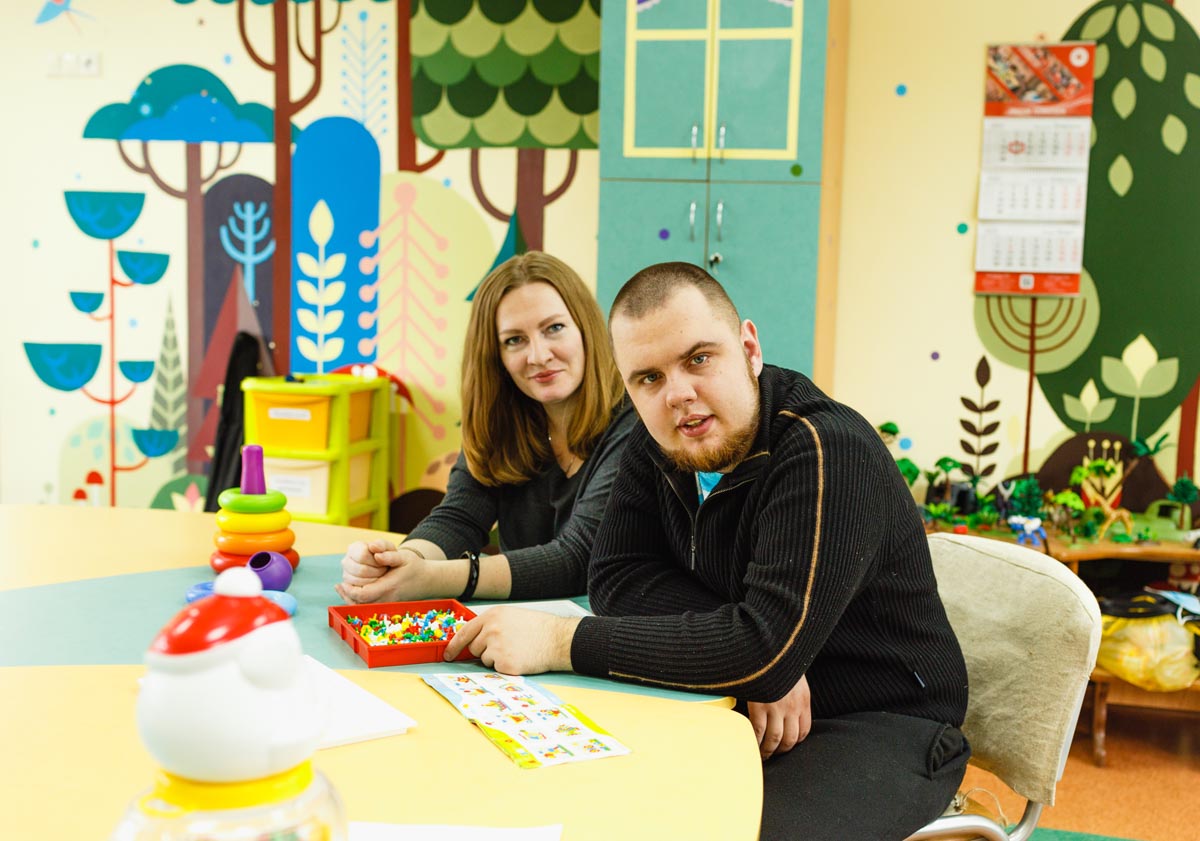
"Care" is a tricky word. It can indicate doing to someone as opposed to with them. I still utilize it in some cases, especially around clinical requirements, but I try to match it with autonomy. The objective is a life that really feels self-directed, with treatment as a support beam, not a cage.
The quiet victories
The most rewarding moments are rarely dramatic. They sound like a voicemail from a person you sustain who took the bus alone for the very first time and contacts us to state they arrived. They look like a dinner event with two new close friends who met through a neighborhood course. They seem like much less personnel presence in areas where team used to float. These are the victories that liquify the babysitting misconception. When you see someone running their very own life with the right degree of backup, you see the career for what it is.
One evening, after months of technique, a man I supported made his grandmother's stew with no motivates. He shed onions the very first time, neglected salt the 2nd, changed to a much heavier pot the third. That night the cooking area filled with the odor he kept in mind. He filled containers, identified them, and grinned. If you intend to recognize what a Direct Support Professional does, stand in that kitchen. You will see training, perseverance, threat, society, memory, exec function, and pride done in one pot.
What it takes to transform minds
Changing public assumption needs rep, tales, and openness. Invite area partners into the job. Host open houses where individuals served lead trips of their homes, reveal their aesthetic routines, and speak about their goals. Share data that matters: fewer hospitalizations, even more salaries gained, more friends seen every week. Pay DSPs to talk at boards and councils. Construct occupation ladders that reward field of expertise, like habits assistance, assistive innovation, or older grown-up services.
Most of all, maintain the individual's voice in the center. Equipments are loud. People can be muffled without anybody meaning injury. When the person leads, babysitting becomes a certainly incorrect word. What stays is a craft, an occupation, and a connection built on trust.
The heart of Disability Support Services is not passive care. It is energetic partnership. It is showing, training, and supporting in such a way that makes you much less necessary for the essentials and more offered for the essential. If we do our work well, life looks common. That ordinariness is an accomplishment, not an accident.